



Paris, Rome and Tokyo are old news. Social media feeds are clogged with images of the Eiffel Tower, the Colosseum and Mount Fuji. But what if you could visit a place that’s really special — a destination where tourists don’t trample every trail and commercialism hasn’t usurped control? They are hidden travel destinations that offer an authentic experience, inspiring beauty or gripping stories that mainstream guidebooks ignore.
This guide leads you away from the crowds and into seven incredible places that still fly blissfully under travelers’ radars. From remote islands to sleepy mountain hamlets stuck in a centuries-old way of life, these places offer the kind of adventure, tranquility and cultural immersion that many people only dream of.
Why You Should Seek Out Secret Spots, Not Just Popular Tourist Traps
Before we delve into the hidden gems, let’s discuss why chasing lesser-known destinations is a good idea. Tourist hot spots often mean crowds, overrated prices and canned experiences that feel more scripted than spontaneous.
Hidden destinations offer something different. You’ll spend less on accommodations and food. You have time to learn from local people about their culture. Less traffic equals less wear and tear on the environment, which remains untouched. Most importantly, you get to feel like an explorer rather than just another tourist ticking off a guidebook.
Famous vs. Secret Spots: A Brief Look at the Two
| Metric | Popular Destinations | Hidden Destinations |
|---|---|---|
| Average Daily Cost | $200-300 | $80-120 |
| Crowd Level | Very High | Low |
7 Secret Places Where You’ll Find the Most Beautiful Views
Faroe Islands, Denmark
Sitting in the North Atlantic Ocean halfway between Iceland and Norway, the Faroe Islands is one of Europe’s best-kept secrets. This wind-flagged archipelago of 18 volcanic islands includes dramatic cliffs that plunge into the sea, grass-roofed houses that seem straight out of a fairytale, and more sheep than people.
They remain forever green, owing to the influence of the Gulf Stream. You can hike to waterfalls that drop into the ocean, explore Viking-age villages and see the midnight sun in the summer or northern lights in winter. The Faroese people are very friendly and love to show off their Nordic culture.
Best time to visit: May and September for hiking and moderate weather, although winter provides its own stark beauty and fewer crowds.
Getting there: Fly to Vágar Airport, from Copenhagen, Reykjavik or Edinburgh. Once there, be sure to rent a car—the system of tunnels between islands make getting around simple.
Chefchaouen, Morocco
Nestled in the Rif Mountains of Morocco, Chefchaouen is distinctive for one reason: The overwhelming majority of its buildings are painted in shades of blue. From sky blue to deep indigo, this “Blue Pearl” creates an otherworldly vibe that photographers and adventurers love.
A city that dates back to 1471, it has a mellow vibe compared with Morocco’s more frenetic cities, such as Marrakech. Tight knotted little streets of cobblestone wind through the medina and lead to hidden squares where Moroccans linger over glasses of mint tea. The nearby mountains have some great hiking with panoramic views high above the blue city.
They paint things blue here to symbolize heaven, and the tradition was brought by Jewish refugees who settled in this town in the 1930s. The tradition of painting one’s house continues among residents, when every one or two years they are known to re-paint their houses.
You can’t miss: Local goat cheese (one of Morocco’s best-kept culinary secrets) and fresh-squeezed orange juice from the main square.
Salento, Colombia
Colombia’s big cities get a lot of hype, but you can’t find the magical realism that inhabits Salento in those locations. This village in the coffee region is painted like a rainbow and serves as the entrance to Cocora Valley, with the tallest palm trees on earth standing up to 200 feet tall.
Entering Cocora Valley is like descending into a Dr. Seuss book. The wax palms soar incomprehensibly high from their rolling green hillsides, frequently lost in cloud. The valley trail leads you through cloud forests, the haunt of hummingbirds hovering among flowers and cool mountain streams gushing next to the path.
All is bright and colonial back in Salento: Every building seems to be painted a different color. Surrounding farms offer tours where you can learn how the bean becomes coffee and taste some of the world’s best coffee right at its source. For more travel inspiration, visit Call to Flights.
Pro tip: Wake up early to watch the sunrise over the valley. The morning mist lends an otherworldly aura, and the trails will be all yours to enjoy.
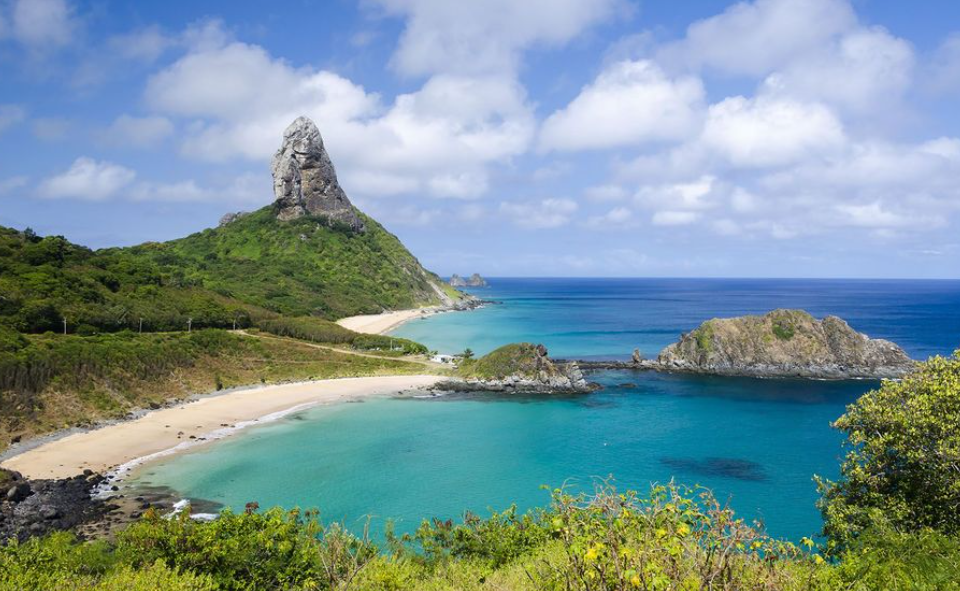
Gimmelwald, Switzerland
Switzerland is full of renowned mountain villages, but you would never know it from blissfully quiet Gimmelwald. This small village of some 100 people is perched on a shelf above the Lauterbrunnen Valley, with peaks that appear to reach into heaven encircling it.
Gimmelwald is car-free: the only way in or out for humans is via a cable car from down in the valley. This ensures that the village remains tranquil and its Alpine character is genuine. Wooden chalets spread across mountainsides, cows graze in flowered meadows and the sound of cowbells clinks through the pure mountain air.
Hiking trails spider off in every direction, from alpine meadow strolls to challenging ascents of peaks nearby. In the winter months, the area becomes a backcountry skiing paradise — though most tourists whip through on a day trip to nearby Interlaken and leave Gimmelwald for those in the know.
Accommodation note: Book early! Because there are only two tiny guesthouses, summer slots fill early.
Taveuni, Fiji
For most travelers heading out to Fiji, the main island or popular resort areas are stick-to territory. Taveuni (The Garden Island) is one of the most beautiful islands but few people visit it.
An island formed primarily by volcanoes, it is home to dense rainforests hiding countless waterfalls, vivid coral reefs teeming with fish and the 180th meridian passing directly through it — or as locals boast, being able to stand with one foot in today and the other in tomorrow.
The diving around Taveuni is some of the best in the world. The Rainbow Reef and Great White Wall are home to soft corals of every hue (and marine life such as turtles, manta rays and sharks). On land, Bouma National Heritage Park preserves unspoiled rainforest where you can swim in crystalline waterfall pools.
Visitors are greeted by traditional Fijian villages with kava and music. Visiting with local families is insight into Pacific Island culture that resort-based tourism can’t match.
Mestia, Georgia
The country is more or less unknown to Western tourists (not the U.S. state), and Mestia is its crown jewel. Perched in the Caucasus Mountains, this ancient town is the central destination for Svaneti region which is famous for its unique defense towers similar to those that used to exist in medieval Europe.
Stone towers are scattered across the land — more than 200 still exist in the area. These towers were constructed centuries ago by Svan families to guard against invaders and avalanches. Today, they provide the area with a distinctive skyline that photographers adore.
The mountains nearby are home to some of the finest trekking in Europe. Multi-day treks link mountain villages where time appears to have stood still. The locals still speak the ancient, non-Georgian language of Svan and still keep customs that were lost centuries ago everywhere else.
Georgian food should get an extra-special shout-out — its carby, hearty khachapuri (cheese-filled bread) and khinkali (soup dumplings) are just the kind of fuel required after a day’s hiking in those mountains. The local chacha (grape brandy) makes you feel warm on chilly mountain nights.
Adventure level: Moderate to difficult. Some trails will test your skills, but the view is well worth it all.
El Nido, Philippines (Bacuit Archipelago)
El Nido itself has started to get some attention in recent years, but the rest of the Bacuit Archipelago is still relatively undiscovered. The turquoise waters are home to more than 50 islands, the majority of which are uninhabited and can be reached only by private boat.
There are several dramatic limestone cliffs that rise from the sea, with secret lagoons and untouched beaches concealed within. Kayak through the crystal-clear waters of the Big and Small Lagoons, set among jungle-covered rock walls. Many islands have caves that you can visit, some decorated with prehistoric paintings on the walls.
The underwater world around these islands is stunning. Coral gardens alive with tropical fish, sea turtles and the occasional reef shark are on full display while snorkeling. There are island-hopping tours available from many tour operators, but renting a private boat means you can avoid the crowds and find your very own perfect beach.
Unlike other overdeveloped areas of the Philippines, El Nido maintains strong safeguards for its environment. This makes the area beautiful but also means you should plan ahead and book accommodations, especially for peak season. Learn more about sustainable tourism practices from the UN World Tourism Organization.
Planning Your Secret Destination Adventure
| Destination | Best For | Difficulty | Budget |
|---|---|---|---|
| Faroe Islands | Nature buffs, photographers | Easy to Moderate | $$$ (High) |
| Chefchaouen | Culture vultures, r and r fans | Easy | $ (Budget) |
| Salento | Coffee junkies, hikers | Easy to Moderate | $ (Budget) |
| Gimmelwald | Mountain devotees, peace lovers | Moderate | $$$ (High) |
| Taveuni | Divers, beachcombers | Easy | $$ (Moderate) |
| Mestia | Adventurers and culture cravers | Moderate to Difficult | $ (Budget) |
| El Nido | Island hoppers and snorkelers | Easy | $$ (Moderate) |
Cool Ways to Explore Secret Haunts
Study Local Customs: Off-the-beaten-path locations tend to have strong local customs. Just learning a few words in the local language and really basic etiquette helps so much.
Pack Smart: In the middle of nowhere, stores with all the things may not be as accessible. Bring essentials including medication, sunscreen and any specialized equipment for your destination.
Be Flexible: Getting around off-the-beaten-path destinations can be hit or miss. Schedule buffer time. Whether averting a disaster or missing one train and scrambling for an alternative, plans go off the rails sometimes — and those can often make for the best stories.
Support Local Business: Family-run guesthouses, local restaurants and hiring guides can take your trip a long way. Your money supports these communities, and helps keep them real.
What Is Worth the Extra Effort in These Places
It takes more planning to visit hidden places than it does to book a package tour for a resort. You may have to take a few flights, boats or long drives to get there. Accommodations may be simple relative to luxury five star hotels. You will not see a Starbucks on every corner.
But that’s exactly the point. These sites are where travelers will find reward in authenticity, not convenience. You’ll gather anecdotes that far outshine the average vacation brag. Instead of elbowing your way through the throngs to get a decent photo, you will have space and time alone to admire nature’s masterpieces. The relationships you build with the local community feel authentic because travel has not yet commodified every encounter.
These places also require conscientious tourists. Their obscurity has so far saved them from overdevelopment, although this can happen pretty fast once a place gets “discovered.” By traveling in a thoughtful way — respecting local customs, taking steps to minimize your impact on the environment, and supporting local economies — you also help make sure that these special places remain special for the next time you or someone else visits.
How to Keep Your Secret Destination a Secret
The irony of spotlighting off-the-beaten-path destinations, of course, is that by bringing them out into the open you risk making them less off the beaten path. But the answer isn’t to keep these places secret entirely. It’s traveling responsibly, and urging others to do the same.
Include information about sustainable travel practices when you share photos or stories from the locations. Reference the local guides you benefited from, the family guesthouse where you stayed or the environmental rules that you observed. This helps maintain the proper mindset of new visitors.
Some are limited to visitors or require permits. Respect these rules. They are here to save the things that make these places great. If your dream accommodation is sold out, don’t overburden a small community in the name of tourism.
Frequently Asked Questions: Secret Travel Destinations
How can I discover uncrowded places on my own?
Begin by studying maps of places you want to visit and pick out small towns or islands located off main tourist trails. Read travel blogs written by independent travelers instead of those found at main tourism sites. When you travel, ask the locals—or consult social media: They can point you toward places tourists often overlook (side benefit: following photographers means stumbling upon unseen spots).
Is it safe for solo travelers to visit hidden destinations?
Yes, and generally safer even than a crowded tourist area. Smaller towns are welcoming and have a propensity to watch out for their guests. Just in case, though, you should always check the latest safety conditions, register yourself as a visitor with your embassy if traveling to remote places, give someone back home a copy of your itinerary and pay attention to what your gut is telling you. Here are the same safety caveats as anywhere else.
Do you need any specialized skills to visit these places?
Not really, although a few places like Gimmelwald or Mestia do require some level of fitness due to the mountainous terrain. Most hidden places can be reached by budget travelers who are flexible and adventurous. Begin with beginner-friendly destinations like Chefchaouen or El Nido if you’re new to off-the-beaten-path exploration.
Will I have internet and telephone service?
It varies greatly. Decent connectivity in some of the hidden destinations, poor to no service in others. Download maps and important information before you arrive. Think of this limited connection as a feature, not a bug — it allows you to unplug and engage deeply in the environment around you.
How much does it cost to visit hidden places?
It may be more expensive to get there — either because of lousy flight connections or its remoteness — but once there, the daily costs are often significantly lower than those in popular locales. You could probably save money on lodging, food and activities. When all the bills are added up, the total cost is often a wash if not less than what mainstream tourism destinations charge.
What if I don’t speak that country’s language?
Most off-the-radar locations have at least a few English speakers, especially those working within the tourism industry. They are people too, and they appreciate the effort. Apps like translate function offline once you download languages ahead of time. Gestures work surprisingly well, and locals tend to be patient and friendly towards visitors who are trying.
Is it possible to visit hidden places with children?
Absolutely! Destinations like Salento, Chefchaouen and El Nido are well-suited for families. These destinations may offer a richer experience for kids than themed parks or resorts. Select destinations based on your children’s ages and abilities, remembering that places off the beaten track may have limited medical facilities so take a good first-aid kit.
When is the best season to visit secret spots?
This varies by location. The shoulder seasons (before and after peak season) typically offer the best combination of good weather and smaller crowds. Look up the weather and travel seasons for each destination. Some off-the-grid places are hidden because they’re more difficult to reach in certain seasons — but it’s part of the adventure, as long as you come prepared.
Your Next Adventure Awaits
The world is still a big place and dream destinations wait to be discovered. As all the crowds flock to the same famous places, these secret corners have something a lot more precious to offer: authentic experiences that feel uniquely yours.
Whether you’re taken in by blue streets of Chefchaouen, the lofty palms of Cocora Valley or the limestone islands of El Nido, each boasts memories beyond holiday brochures and tour groups. All the additional foresight needed becomes part of the adventure, and the obstacles you overcome make all rewards that much sweeter.
Caveat: Visits to these destinations should be responsible ones. Travel with consciousness – respect local cultures, protect the environment and support communities. You keep these hidden gems special for the next generation of explorers when you do.
So put that Paris or New York guidebook down for a minute. Take your eyes off the dots and check out a map; memorize the spots between those fabled ones. That’s where the genuine adventures are hiding. It’s time to pack your bags and meet the unknown world that lies beyond the tourist trail. These secret destinations have experiences for you that will last much longer than any trinket from an overpriced tourist trap.
Your next great travel story doesn’t begin at a towering monument — it begins in an unheard-of locale. Visit Call to Flights for more travel tips and inspiration. Until now.


