



When most people imagine paradise, they think of the most crowded places: Bali’s overcrowded beaches, Paris’s busy tourist streets or the Maldives’ pricey overwater bungalows. But what if I told you there are parts of this world that possess the same sense of wonder with none of the crowds, and a fraction of the cost?
These are the world’s best-kept secrets. They’re spots where you can stroll on empty beaches with nothing but waves for company, wander around deserted archaeological sites without dodging teeming tour groups or swim in water so clear it seems like your private find. These destinations offer all of the dream vacation requisites — beautiful vistas, vibrant culture, delicious food and unforgettable experiences — yet they are still delightfully under the radar.
In this guide, we’ll tour through eight paradise-like destinations that are not yet trampled by tourism. They may all be different but each has something unique to offer, whether you are looking for adventure and partying, relaxation or on the hunt for cultural sensibilities. Let’s check out these best kept secrets before the masses find out.
Why Choose Lesser-Known Travel Spots?
But before we get to our list, let’s address the obvious question: What makes visiting out-of-the-way destinations such a good idea for savvy travelers?
| Benefit | What it means for you |
|---|---|
| Lower Costs | Hotels, food and activities are 40-60% cheaper than tourist hot spots |
| Authentic Experiences | Meet real locals and see how people actually live |
| Fewer Crowds | Actually enjoy yourself without waiting in lines all day |
| Better Photos | Get that perfect shot without photobombs |
| Supporting Local Communities | Your money directly supports families & small businesses |
1. Azores, Portugal: Europe’s Volcanic Paradise
The Azores archipelago is smack in the middle of the Atlantic Ocean, some 1,000 miles from Portugal. This range of nine volcanic islands features some of the most jaw-dropping scenery you’ll ever lay eyes on, yet most travelers have never heard of it.
What Makes the Azores Special
Imagine vibrant blue lakes nestled in volcanic craters, hot springs where you can soak with an ocean view, waterfalls crashing over verdant cliffs and hydrangeas blooming across the landscape in summer. The Azores is as if Hawaii and Iceland had a baby and it was the most beautiful thing ever.
São Miguel, the largest island, has the well-known Sete Cidades —twin blue and green lakes situated inside a mammoth volcanic crater. You can hike around its rim for jaw-dropping views. In Pico Island, you can hike Portugal’s highest mountain, a real-life volcano jutting up from the ocean.
What You Can Do Here
The Azores is great place for nature and adventure enthusiasts:
- Watch the Whales — More than 20 species of whales and dolphins call these waters home
- Scuba and snorkel in crystal clear waters near undersea volcano formations
- Take a dip in natural hot springs warmed by volcanic activity
- Embark on a hike through lush forests, over rugged coasts
The best part? You’ll have nearly all of these experiences to yourself.
Travel Tips for the Azores
Best time to go: May to September for the warmest weather, but the islands are gorgeous year-round
Getting there: Direct flights from Boston, Toronto and a handful of European cities
Budget: Medium range, cheaper than mainland Portugal but not dirt cheap. Budget $60-100 per day, including hotels
2. Palawan, Philippines: The Last Frontier
As everyone heads to Boracay or Cebu, Palawan is still relatively unspoiled. This long, slender island in the western Philippines has been dubbed “the last ecological frontier” of its home country, and it lives up to that name.
Island Life at Its Best
Palawan offers something for everyone. In the north, El Nido has dramatic limestone cliffs jutting out of turquoise water, hidden lagoons to kayak through and more than 50 tiny islands to explore. The more famous dive destination of Coron has several Japanese shipwrecks from World War II for you to discover.
But the true standout is the Underground River near Puerto Princesa—one of the New Seven Wonders of Nature. The 5-mile long underground river courses through a cave system decorated with awe-inspiring rock formations. Entering the cave by boat is like entering another world.
Beach Life and Beyond
Palawan’s beaches are pure fantasy: miles and miles of powder-soft white sand, water so blue that it makes the Caribbean look murky by comparison, and as-clear-as-glass aqua water with rainbow-colored fish swimming around your feet while shading palm trees rustle in the breeze. Covering 2.5 miles, Nacpan Beach is paradise with no people on it. Port Barton is a more relaxed version of El Nido, minus the crowds and the price tags.
Why It’s Still Under the Radar
Palawan, this beautiful but dramatically less-visited part of the Philippines. The reason? It is more work to get there, involving longer flights and boat rides. But it’s this “inconvenience” that also makes it still feel like paradise.
Planning Your Palawan Trip
Best time to go: November-May (dry season)
Getting there: Fly to Puerto Princesa, and transfer from the airport via van or boat to other destinations
Budget: It’s super cheap. $30-50 a day will take care of you.
3. Albania’s Riviera: The Jewel of the Mediterranean
As the European beaches of Greece and Croatia are mobbed by tourists, Albania’s beautiful coast is eerily empty. The Albanian Riviera lines the southern shore of the country, where pristine beaches, turquoise water and picturesque villages can all be yours for prices that cannot possibly be real.
Beaches That Rival Greek Islands
The Albanian Riviera is a combination of sandy and pebble beaches beneath mountains. Ksamil, near the Greek border, pops with a Caribbean sensibility dumped into the Mediterranean. Tiny islands float just off the coast, within swimming distance. The water goes from clear and shallow — ideal for wading across — to deep blue, for good swimming.
The livelier Dhermi and Jale beaches have beach bars and water sports, while Gjipe Beach is only accessible by foot or boat, offering complete seclusion for those who are prepared to hike down.
Ancient History Meets Beach Life
What makes Albania stand out is that you can mix beach and intriguing history. Stop at Butrint, a UNESCO World Heritage Site of Greek, Roman and Byzantine ruins set around a picturesque lagoon. Wander the stone houses of Gjirokastër, a UNESCO town that seems to be suspended in time. See crumbling castles perched on hilltops overlooking the sea.
The Best Value in Europe
Albania offers incredible value. Good hotels start at only $30 for a room. Wine, fresh seafood dinners are only $10-15. There are local buses between beach towns that run for just a few dollars. You can be backpacker poor in Mediterranean paradise.
Albania Travel Essentials
Best time to visit: June to September for beach weather; May and October for less crowded beaches
Getting there: At Tirana, fly in and take a bus down to the coast (approximately 4-5 hours)
Price: Super cheap—$40-70 a day for nice travel
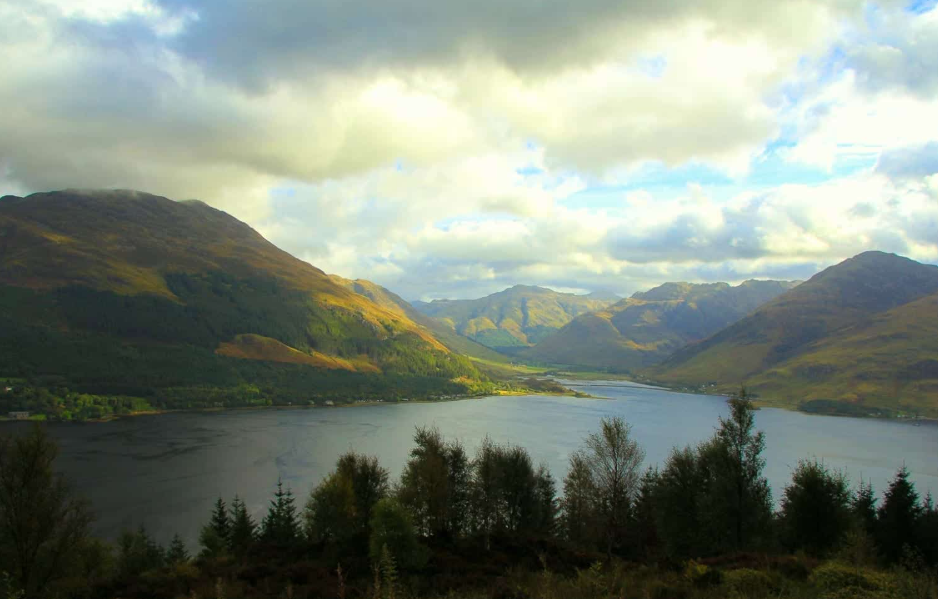
4. Madagascar: A World Out of Time
Madagascar isn’t an island so much as a subcontinent. An enormous island off the east coast of Africa, this one developed in isolation for millions of years, producing ecosystems and wildlife that exist nowhere else on Earth. For nature lovers looking to see something truly unique, it’s paradise.
Wildlife You Won’t Believe
More than 90 percent of Madagascar’s wildlife are found nowhere else on Earth. Lemurs, those wide-eyed primates who seem as if they’ve jumped straight out of a cartoon, inhabit the island in over 100 species. Chameleons of all shapes and colors scurry through the forests. The baobabs, some more than 1,000 years old, make for landscapes that feel like they’re from another planet.
Landscapes That Defy Description
Madagascar has an extraordinary abundance within its shores. The Avenue of the Baobabs is a dirt road flanked by giant trees, one of the most-photographed locations in Africa. Tsingy de Bemaraha consists of a forest of limestone towers, sharpened to serrated edges that you pass between the swings of suspension bridges and other by ladder. In Isalo National Park, you’ll find picturesque canyons, pristine natural pools and rock formations that turn orange at dusk.
Beach Paradise Too
Madagascar has as much to offer along its coastlines as it does in its interior. Nosy Be in the northwest has perfect white-sand beaches and great snorkeling. Humpback whales come to breed off its east coast from July to September, and gentle Île Sainte-Marie is just the sort of laid-back island a pirate would have liked. The beaches here are not as frequented by tourists as they are in other Indian Ocean destinations.
The Adventure Factor
Madagascar is not the easiest place to get around — roads can be challenging, infrastructure quite basic in some places. Yet that’s precisely what makes it special. It requires a sense of adventure, but the payoff can be tremendous. Where else can you watch lemurs leap through trees in the morning and swim in crystal-clear ocean water in the afternoon?
Madagascar Must-Knows
When to go: April-May; September-November (after the rainy period)
Getting there: Fly to Antananarivo (the capital) and then transfer by domestic flights or long car journeys
Budget: Mid-range — $50-80 a day including tours and guides
5. Faroe Islands: Nordic Noir at Its Best
Between Iceland and Norway in the North Atlantic, you’ll find the Faroe Islands — perhaps one of the most jaw-dropping landscapes you’ve never heard of. This autonomous region of Denmark is made up of 18 grass-covered rocky islands, with cliffs plunging into wild seas and waterfalls everywhere, and villages that could be from a fairy tale.
Nature on Steroids
The Faroe Islands are not about beaches and kicking back — they’re about eye-popping landscapes that make you feel small. Cliffs shoot up directly out of the ocean to over 2,000 feet. Waterfalls flow into the ocean. Mountains wear clouds like hats. Villages with houses of turf roofs cling to hillsides overlooking fjords.
Múlafossur waterfall plunges off a cliff into the ocean below, near the village of Gásadalur; it’s one of the most photographed sites in the islands. Lake Sørvágsvatn looks like it’s suspended over the sea, a visual trick that seems downright impossible. Trælanípa and Bøsdalafossur provide a waterfall cliff duo.
Viking Culture Alive Today
The population of the Faroes is just 50,000 and its residents are intensely proud of their Viking heritage. You might observe Faroese chain dancing, listen to the distinctive Faroese language and taste a few traditional foods. And the locals are incredibly nice — it’s not uncommon for a stranger to invite you in for coffee.
Perfect for Hikers
The Faroe Islands are a hiker’s dream. You can also walk from village to village through the bush and up mountains. One possibility is to hike from village to village for lunch, and then return by bus. One of these can’t-miss hikes is to Kallur Lighthouse on the island of Kalsoy, home to views that will make you “get” why these islands motivate so many photographers.
Weather Reality Check
Truth be told, the weather in the Faroes is notorious! You can experience rain, sunshine, fog and wind all in the same hour. But this moody weather is what creates the dramatic sense of drama that defines these islands. Pack the waterproof gear and own it.
Faroe Islands Visitor Info
Best time to go: June-August for the longest days and nicest weather; May and September for less crowds
Getting there: Fly from Copenhagen, Edinburgh or Reykjavik
Budget: Expensive — like Iceland, around $100-150 each day at a minimum
6. Namibia: Desert Meets Ocean
At the opposite end of the spectrum is southern Africa’s Namibia — a country where you’d swear everything on it was born somewhere else, when the world’s oldest desert formation spills into the Atlantic Ocean and makes scenes so surreal they don’t even seem real. With huge expanses of empty space, astounding wildlife, at least half a dozen distinctive cultures and some of the most photogenic desert landscapes on earth, Namibia is an ideal destination for adventure travelers.
Dunes That Touch the Sky
Namibia’s Namib Desert includes the world’s tallest sand dunes, some topping over 1,000 feet, in Sossusvlei. It’s not just any dunes, of course — they glow a deep orange-red at sunrise and sunset, with photos that look photoshopped. It’s tough work scrambling up to the top, but once you do the views over the clay pan below make it all worth it.
Deadvlei, a short distance away, is a white clay pan flecked with dead acacia trees that have been there for more than 900 years. The juxtaposition of white pan, black trees, orange dunes and blue sky is one of the most dramatic landscapes on Earth.
Wildlife Without the Crowds
In Etosha National Park, you get the safari experience without the tourist throngs of Kenya or Tanzania. The park is based around a huge salt pan, and animals gather at waterholes that can be watched from your car or nearby lodges. Spot elephants, lions, leopards, rhinos, giraffes and countless other species – often with only a handful of other cars in the vicinity.
Skeleton Coast Mystery
Namibia’s Skeleton Coast was named for the shipwrecks and whale bones that litter its shores. The Namib Desert’s desolate, haunting descent into the Atlantic Ocean lends a fog and seal soaked emptiness to this remote stretch. It seems like the end of the world.
Colonial History and Culture
Small towns like Swakopmund and Lüderitz reflect German colonialism in their architecture, making for an odd but intriguing mix of African-European styles. In the north, the Himba concentrate on maintaining their semi-nomadic lifestyle and a wise person in each area may invite respectful visitors into some communities.
Namibia Travel Guide
Best time to go: May-October (dry season, top for seeing wildlife)
Getting there: Fly to Windhoek, then hire a 4×4 (self-drive is common and safe)
Prices: Mid-range to expensive—$70-120 per day including the car rental
7. Dominica: The Nature Island of the Caribbean
If you ask someone about the Caribbean, they’ll say beach resorts and drinks. Dominica has something entirely different: a wild, mountainous island blanketed in rainforest with hot springs, waterfalls and some of the Caribbean’s best diving. This is paradise for those who actually want adventure, not just beach time.
Waterfalls Everywhere
Dominica has 365 rivers — one for every day of the year, locals claim — and these rivers produce an abundance of waterfalls. Trafalgar Falls is twin waterfalls that are a fairly simple hike from which you can also take hot springs at the base. The 275-foot-high Middleham Falls falls into a pool encircled by rainforest. Victoria Falls (no, not that famous one in Africa) consists of a much tougher hike for an unbeatable payoff.
Boiling Lake Adventure
The trail to Boiling Lake is one of the Caribbean’s hardest hikes, but it doesn’t disappoint. This is a 6-hour round trip that will take you through the rainforest, over sulfur springs and to an actual boiling volcanic lake that bubbles at about 180-200°F. The steam rising from bathwater-grey blue water makes for otherworldly scenes.
Underwater Paradise
Underwater Dominica is as spectacular as above-water Dominica. The west coast provides quiet water and kaleidoscopic reefs that are ideal for snorkeling and diving. Named after the volcanic vents that release bubbles through the water, Champagne Reef will have you feeling like you’re swimming in a bottle of champagne. The island also has some of the Caribbean’s best whale and dolphin watching.
Hot Springs and Volcanic Features
There are benefits to being a volcanic island. You can bathe in hot springs all over the island, lots of them surrounded by picturesque jungle. Ti Tou Gorge, immortalized in “Pirates of the Caribbean,” allows you to swim through a narrow gorge up to a waterfall. The Valley of Desolation is full of an active volcanic region with steam coming out from the vents and multicolored rocks.
Why So Few People Visit
Hurricane Maria caused extensive damage to Dominica in 2017, and the island has largely recovered from it, but many travelers remain unaware of that fact. The island also lacks the number of beaches you find in other Caribbean destinations, at least partially keeping away beach-resort-seekers. But if you seek nature, adventure and the real Caribbean with an off-the-beaten-path feel, then Dominica provides.
Dominica Essentials
When to go: December–May (dry season); June–November is more affordable but wetter
Getting there: Fly to Barbados or Antigua, then a hop on another flight or ferry
Budget: Moderate—$60-90 per day
8. Kyrgyzstan: Central Asia’s Mountain Paradise
Kyrgyzstan may be the least known of the destinations on this list but it is one of those places left in the world that gets my heart racing and takes away my breath with its sensational mountainous scenery. This tiny Central Asian country is more than 90% mountains, stunning emerald alpine lakes, a nomadic culture and a tradition of hospitality that makes solo travelers feel so welcome.
Song-Köl Lake: Nomad Life Experience
Song-Köl, a high alpine lake at an elevation of more than 9,000 feet, is the essence of what makes Kyrgyzstan so appealing. Set in a wide grassy basin, the lake is hemmed in by mountains; local Kyrgyz nomads graze their herds here during the summer. You can sleep in traditional yurts, horse around the steppe and see a way of life that has evolved little over centuries.
Waking up inside of a yurt, the sun just peeking out over the lake while a herd of horses partakes in nearby grazing and snowcapped peaks loom on the horizon, is its own paradise.
Issyk-Kul: The Second Largest Mountain Lake in the World
The world’s second-largest alpine lake, Issyk-Kul in the north. It is salty and deep, never freezing despite being hemmed in by snowcapped mountains. In summer, the lake has beaches, hot springs and gorges that reach up from the shore, as well as ancient petroglyphs carved into rocks thousands of years ago.
Ala-Archa and Mountain Trekking
For the more serious hikers among us, Kyrgyzstan is paradise. The Ala-Archa National Park, only a 30-minute drive from the capital, has everything from easy day hikes to multi day mountaineering expeditions. The pristine wilderness that is the Tian Shan mountains offer countless trekking possibilities, and one can potentially roam for days without coming in contact with another human being.
Silk Road History
Kyrgyzstan is on the old Silk Road and where there’s trade history, you still see the evidence of it. Explore ancient caravanserais, see petroglyphs over two millennia old and wander through canyons once traveled by merchants.
Central Asian Hospitality
Kyrgyz are famous for their hospitality. But don’t be surprised if an entire family invites you into their house, and serves you tea with traditional bread (the “lepeshka”). The nomadic tradition of hospitality for travelers remains in full force, and traveling solo feels secure and friendly.
Kyrgyzstan Travel Information
Best time to visit: June–September for warmer weather open mountain passes
Getting there: Fly to Bishkek from Istanbul, Moscow or a number of Asian cities
Cost: Cheap—$25-40 per day everything included
Planning Your Paradise Adventure
Now that you know about these wonderful spots, we’re here to tell you how to actually get to them and how best to enjoy your time there.
How to Choose Your Paradise
Consider what you most value:
- For the beach lover: Palawan, Albania’s Riviera or Dominica
- Mountain dwellers: Faroe Islands, Kyrgyzstan or Dominica
- For lovers of wildlife: Madagascar or Namibia
- For culture: Albania, Kyrgyzstan or Dominica
- For photographers: Namibia, Faroe Islands or Madagascar
- For travelers on a budget: Kyrgyzstan, Albania or Palawan
Best Times to Visit Comparison
| Destination | Best Months | Why |
|---|---|---|
| Azores | May-September | Warmest weather for the outdoors |
| Palawan | November-May | Calm sea, dry season |
| Albania | June-September | Primetime beach weather |
| Madagascar | April-May, Sept-Nov | Midway between rain |
| Faroe Islands | June-August | Warmest, longest days |
| Namibia | May-October | Dry season (peak wildlife time) |
| Dominica | December-May | Dry season/calmer seas |
| Kyrgyzstan | June-September | Warm weather/mountains reachable |
Money Matters
Here’s about what it might cost you per day, including lodging, food and things to do:
Budget-Friendly ($25-50/day):
- Kyrgyzstan
- Palawan
- Albania
Mid-Range ($60-100/day):
- Azores
- Dominica
- Madagascar
- Namibia
Splurge Required ($100+/day):
- Faroe Islands
Getting There
Most of these spots take a bit more effort to get to, which is part of the reason they are underrated:
- Azores: Fly directly from Boston and Toronto, or connect in Lisbon
- Palawan: Fly to Manila and then a domestic flight to Puerto Princesa
- Albania: Fly into Tirana, bus to the coast
- Madagascar: Long connector flights via Paris, Johannesburg or Nairobi
- Faroe Islands: Reach via Copenhagen, Edinburgh or Reykjavik
- Namibia: Fly to Windhoek via Frankfurt, or Johannesburg
- Dominica: Through Antigua, Barbados or Puerto Rico
- Kyrgyzstan: Visit Bishkek through Istanbul or Moscow
For more travel tips and flight deals to these amazing destinations, visit https://calltoflights.com.
Frequently Asked Questions
Are these places safe for solo female travelers?
Yes, all eight are safe to visit independently — even with solo female travelers. It’s just common sense, as anywhere: Don’t flash valuables, keep your wits about you and heed local advice. Kyrgyzstan, Portugal (Azores) and Faroe Islands are especially safe. Be sure to always check current travel advisories before making plans.
Do I need specific vaccinations for these places?
For Madagascar and Namibia, you will normally need yellow fever vaccination, and may wish to take prophylaxis against malaria in some regions. Check with travel medicine doctor no less than 6-8 weeks prior to departure. The Azores, Albania, Faroe Islands and Kyrgyzstan do not require special vaccinations — but make certain that the group has had all routine vaccines. Palawan and Dominica may advise that you be vaccinated for hepatitis A and typhoid.
What is the best destination for families with children?
The Azores and Palawan are great for families — relatively easy to get around, warm weather, lots of nature-based activities and picnics along the beach, good food, and open-space! Albania’s Riviera ticks the boxes for families seeking beach time, along with access to ancient attractions. The Faroe Islands are good for families with older children who like to hike. For families with older children, sometimes adventurous and far-flung destinations like Madagascar or Namibia to the new hotspot of Dominica or untrotted Kyrgyzstan are the easier options.
How much English is used in those places?
- High English exposure: Azores, Faroe Islands, Namibia, Dominica, Palawan
- Medium English: Albania (in tourist zones), Madagascar (in tourist zones)
- Low English exposition: Kyrgyzstan (outside Bishkek)
For locations with less English, download Google Translate and memorize a small selection of phrases. People appreciate the gesture and hospitality is a universal language.
Can I use my credit card everywhere?
Credit card acceptance varies. Acceptance of cards is good in the Azores, the Faroe Islands as well as Namibia. More cash-based are Albania, Palawan (Philippines), Madagascar, Dominica and Kyrgyzstan, especially if you leave the main touristy areas. Travel with some local currency on you, informing your bank that you are travelling to the destination and make sure that you have a backup means of payment.
What are the best ways to get around these places?
- Azores: Rent a car – you NEED this for the island day!
- Palawan: Vans, boats and a tricycle blend
- Albania: Communal Taxis and Local Buses – It works
- Madagascar: Employ a driver-guide (the roads are brutal)
- Faroe Islands: Rent or use buses and ferries
- Namibia: Hire a 4×4 (self-drive is widely done)
- Dominica: Rent a car or engage local drivers
- Kyrgyzstan: Shared taxis, marshrutkas (minibuses), and in certain remote parts of the country
Will I have internet and phone?
Internet access can range from excellent (the Azores, the Faroe Islands) to spotty (remote Madagascar, Kyrgyzstan mountains). Most places have 3G or even 4G in populated areas. If you’re going to use a phone for data, it’s often cost effective and convenient to buy a local SIM card. Download maps offline before visiting remote places.
Your Paradise Awaits
These eight places will show you that paradise doesn’t necessarily mean fancy resorts, packed beaches or following the crowds down the same tourist trail as everyone else. Whether you have been dreaming about Palawan’s turquoise waters, Namibia’s psychedelic landscape, Kyrgyzstan’s nomadic culture or the Faroe Islands’ dramatic cliffs, these places will deliver like few others.
The best part? These destinations are still mostly untouched, so you can have authentic, non crowded experiences. You can chat with locals who are actually excited to show off their home to visitors. You won’t have to wait for other tourists to get out of the way in order to take that perfect photo. In these tucked-away places, you’ll be able to find hidden spots that are not yet in any guidebook.
But here’s the thing about hidden gems: They don’t spend a lot of time hiding. In a world where people are increasingly looking for that immersive, local experience beyond the well-trodden tourist track, these places are sure to become more popular. So why wait? Now, as long as these places still seem like secrets on any trip planner lists or save-the-world news feeds, start dreaming up your paradise adventure.
Choose the destination and book that ticket, pack up your sense of adventure and prepare to find your own paradise. Take it from me — someday soon, when these spots are all over Instagram, you’ll be glad you got there before everyone else caught on.
Paradise is waiting. Will you answer the call?


